Building Inspection Services in UAE
Professional building inspections for audits and condition reports
Professional building inspection services in the UAE offering detailed audits, condition assessments, and completion checks to ensure safety, quality, and compliance.
Our Building Inspection Services Include
Building Handover Inspection
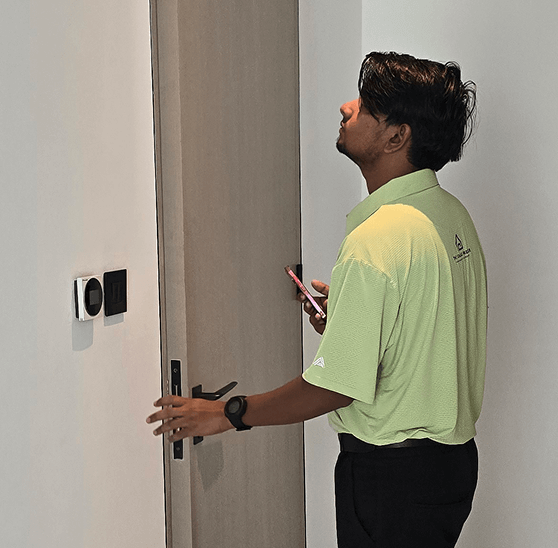
The Snag Master specializes in comprehensive building handover inspections for both residential and commercial projects across Dubai, Abu Dhabi and the rest of UAE. Our experienced team conducts detailed evaluations of all critical aspects of the building, including MEP systems (mechanical, electrical, and plumbing), architectural finishes, common areas, and life safety systems. We ensure that all components meet regulatory and design standards, highlighting any incomplete works, defects, or non-compliance issues. Our goal is to provide stakeholders with a clear, actionable inspection report that supports a smooth and confident handover process.
Building Completion / Condition Audit
The Snag Master reviews essential certifications, inspects technical and common areas – including mechanical rooms, fire safety systems, and service rooms – and identifies pending works or compliance gaps. Our expert audits ensure all regulatory standards are met, delivering clear and reliable reports that help you close out the defined issues efficiently and accurately. With our detailed report, you gain a clear understanding of the building’s current condition to plan repairs, maintenance, or upgrades effectively.
Reserve Fund Study
The Snag Master provides professional Reserve Fund Studies for residential and commercial buildings across Dubai. Our expert team evaluates all major building components—including structural elements, MEP systems, roofing, façades, and common areas—to determine condition, lifespan, and future capital costs. Our RFS reports are fully aligned with RERA requirements, ensuring compliance and accuracy. Our goal is to provide stakeholders with a clear, data-driven financial plan that supports sustainable budgeting and confident long-term community planning.
Asset Tagging & Asset Register
Our expert team identifies and tags all major building assets—including MEP equipment, life safety systems, and common-area installations—to ensure accurate tracking and lifecycle planning. Our asset registers are fully aligned with RERA guidelines and delivered in the RERA format, providing stakeholders with reliable data that supports effective maintenance planning and long-term asset management.
The Snag Master provides expert commercial building inspection services in Dubai and across the UAE that ensure your property is safe, defect-free, and compliant with UAE regulations. Our team of experienced engineers specializes in building handover inspections and condition audits for offices, retail outlets, and commercial buildings.
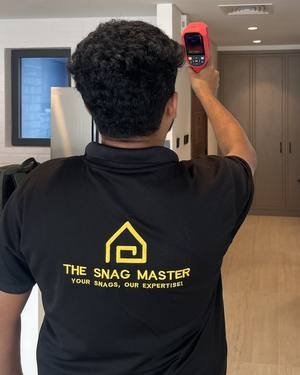
We thoroughly assess MEP systems, finishes, civil works, and various service areas – using advanced tools to ensure no detail is missed. From reviewing essential certifications to identifying compliance gaps and pending works in common and technical areas, our reports provide a clear roadmap for any required maintenance.
As a DED Licensed and RERA Certified company, we make sure to provide quality service.
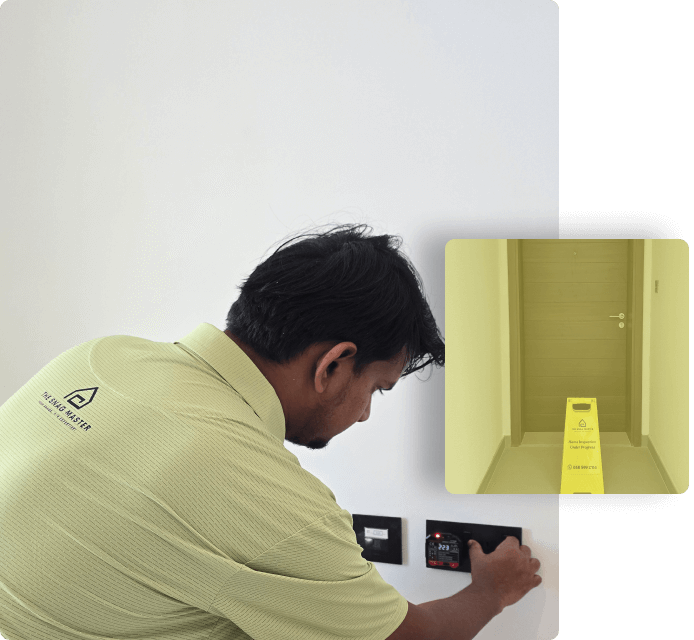
Why Choose Our Building Inspection Services?
DED Licensed / RERA Certified
Engineers with extensive UAE Experience
Experience in using ONSite software
Verification of MEP, civil works, finishes, and regulatory compliance
High-Rise Building Inspection Case Study
"A snag list is an opinion until someone goes back and closes it"
– The Snag Master Engineering Team
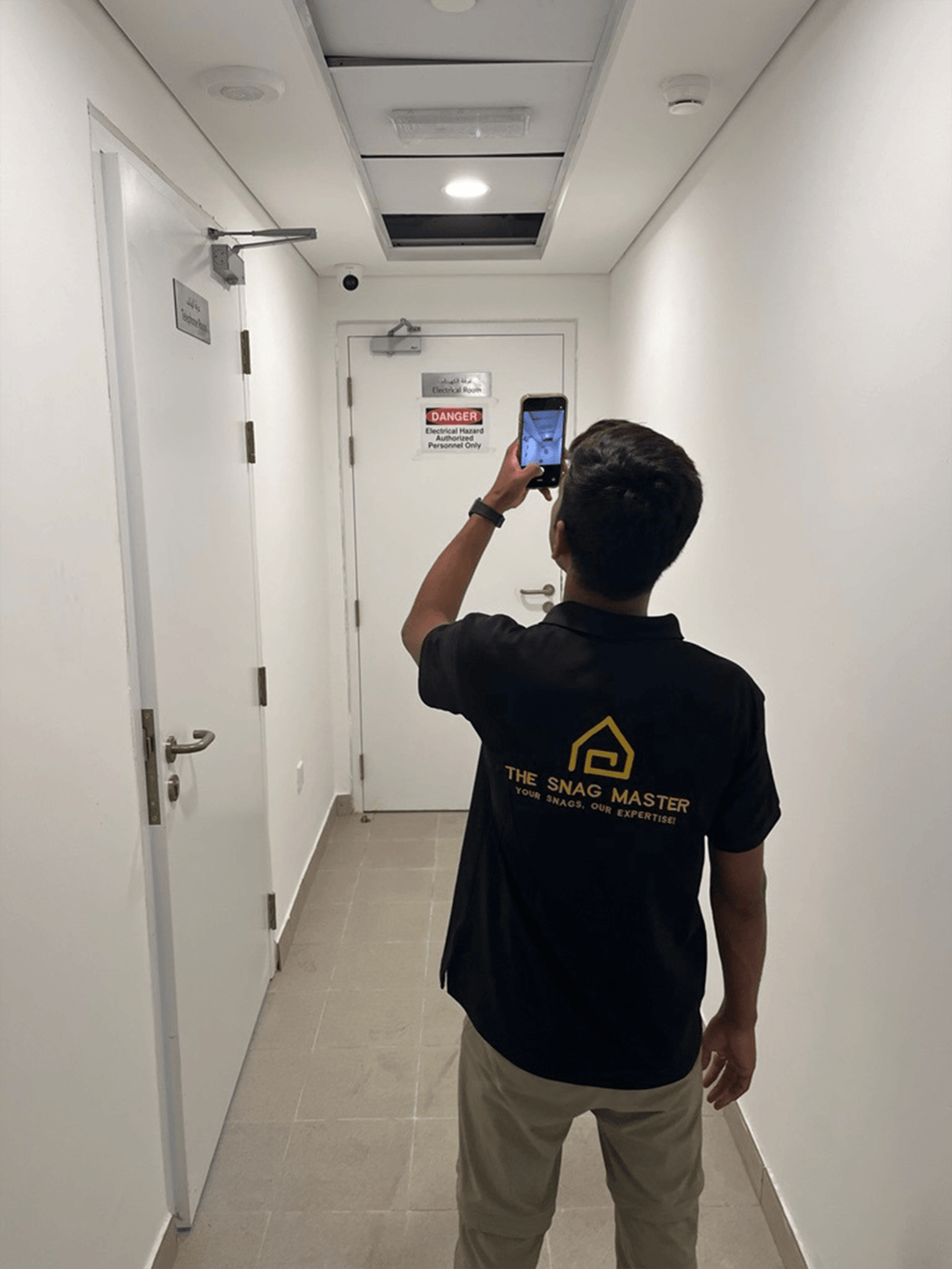
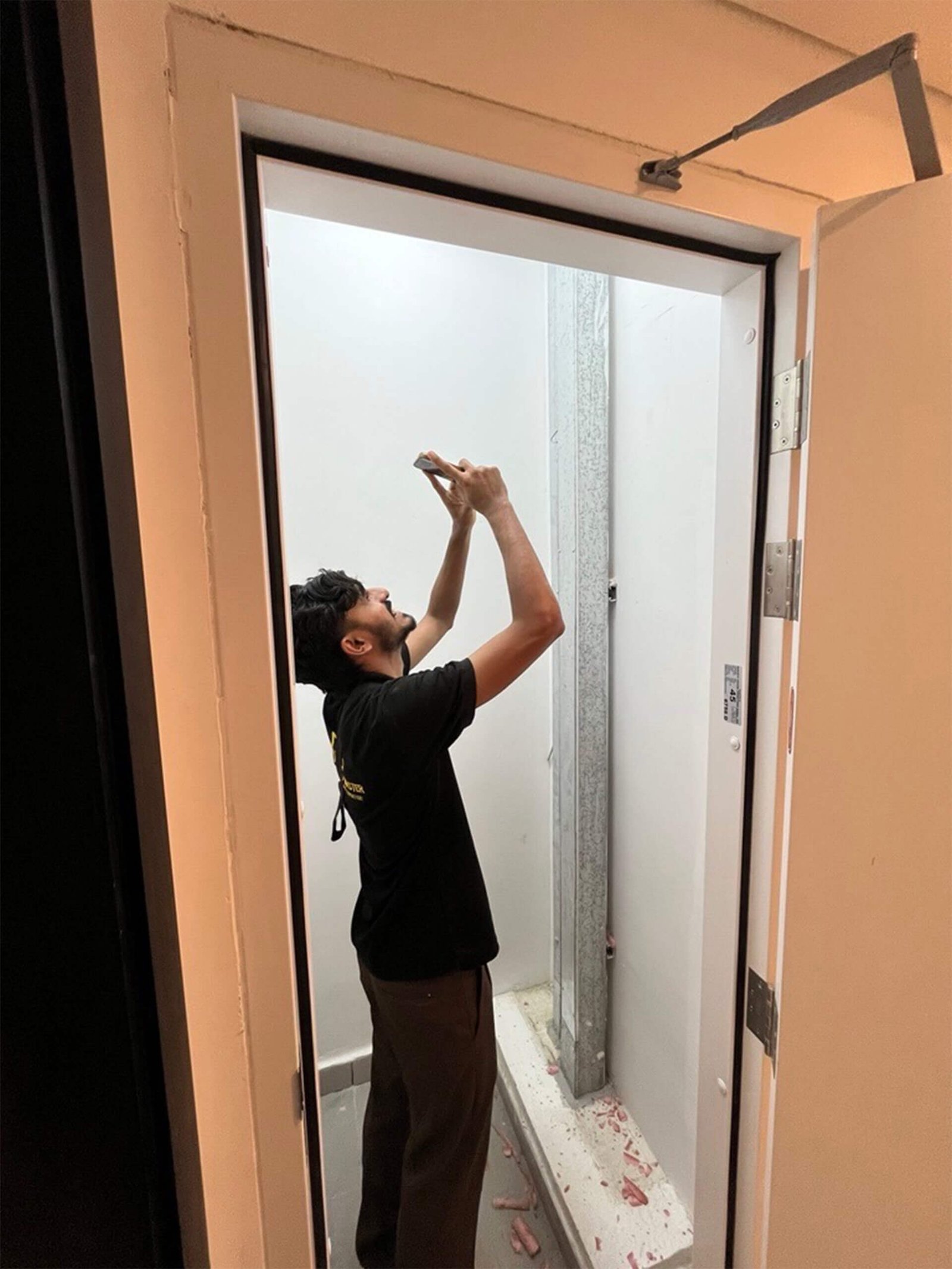
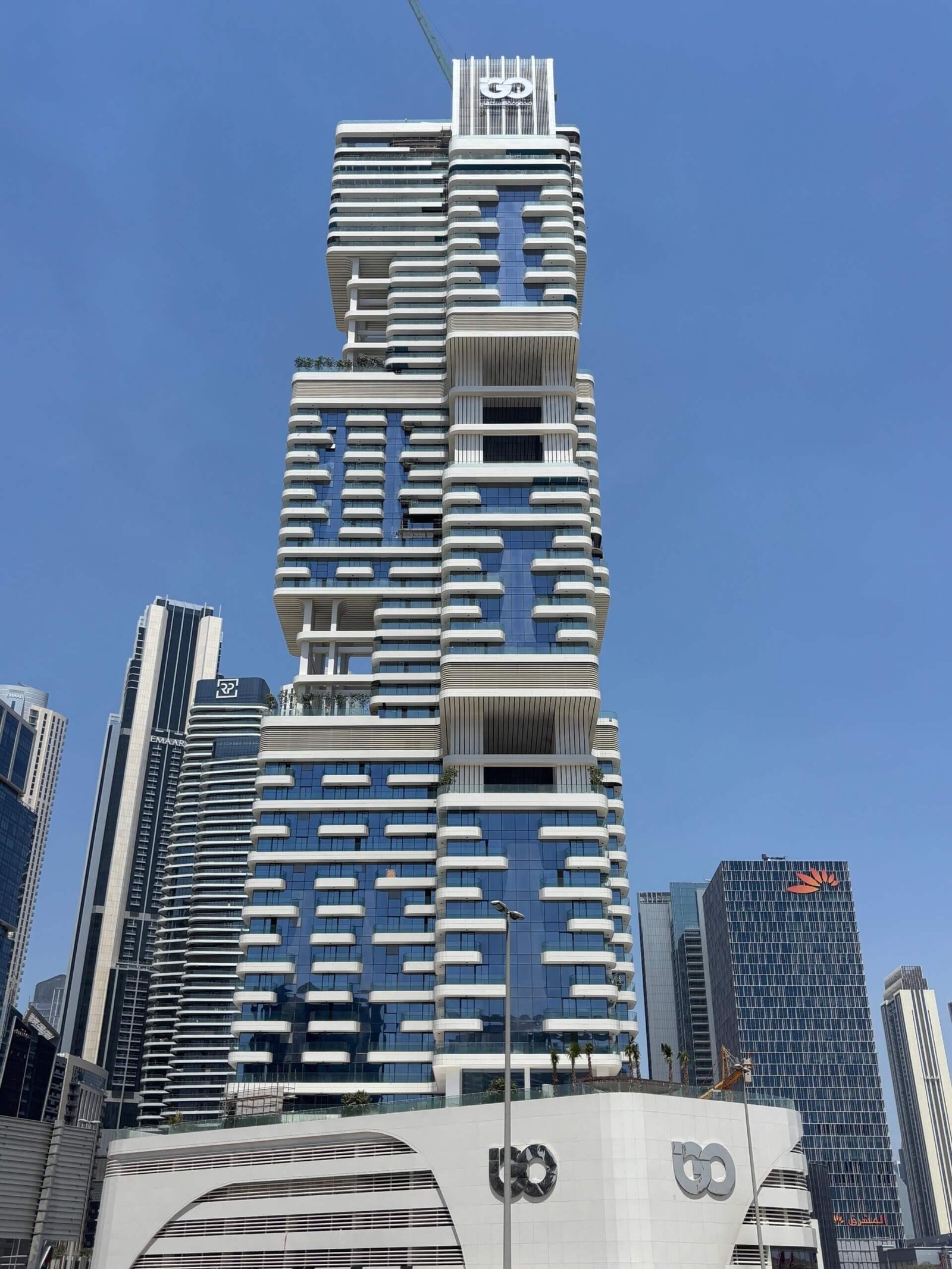
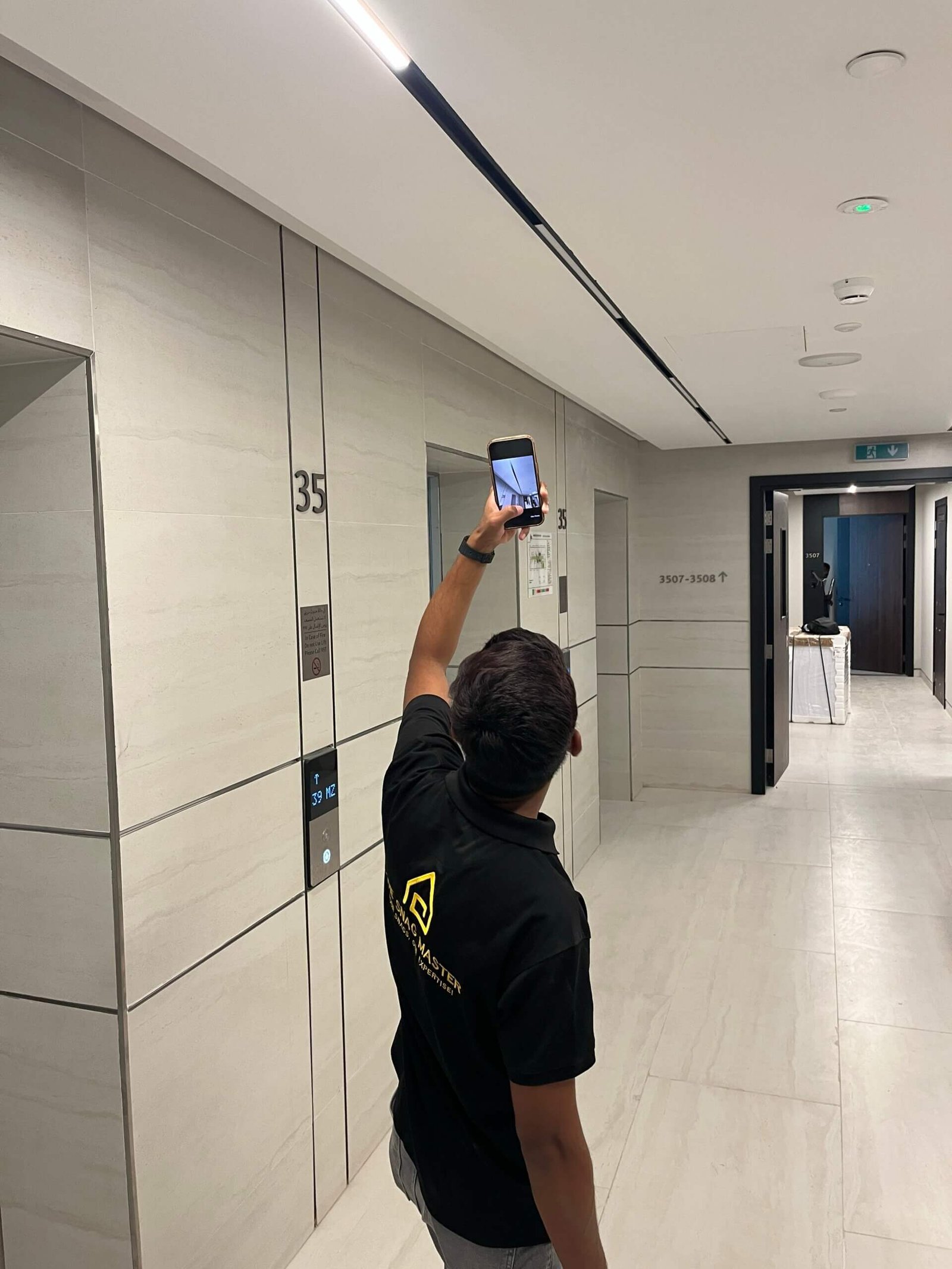
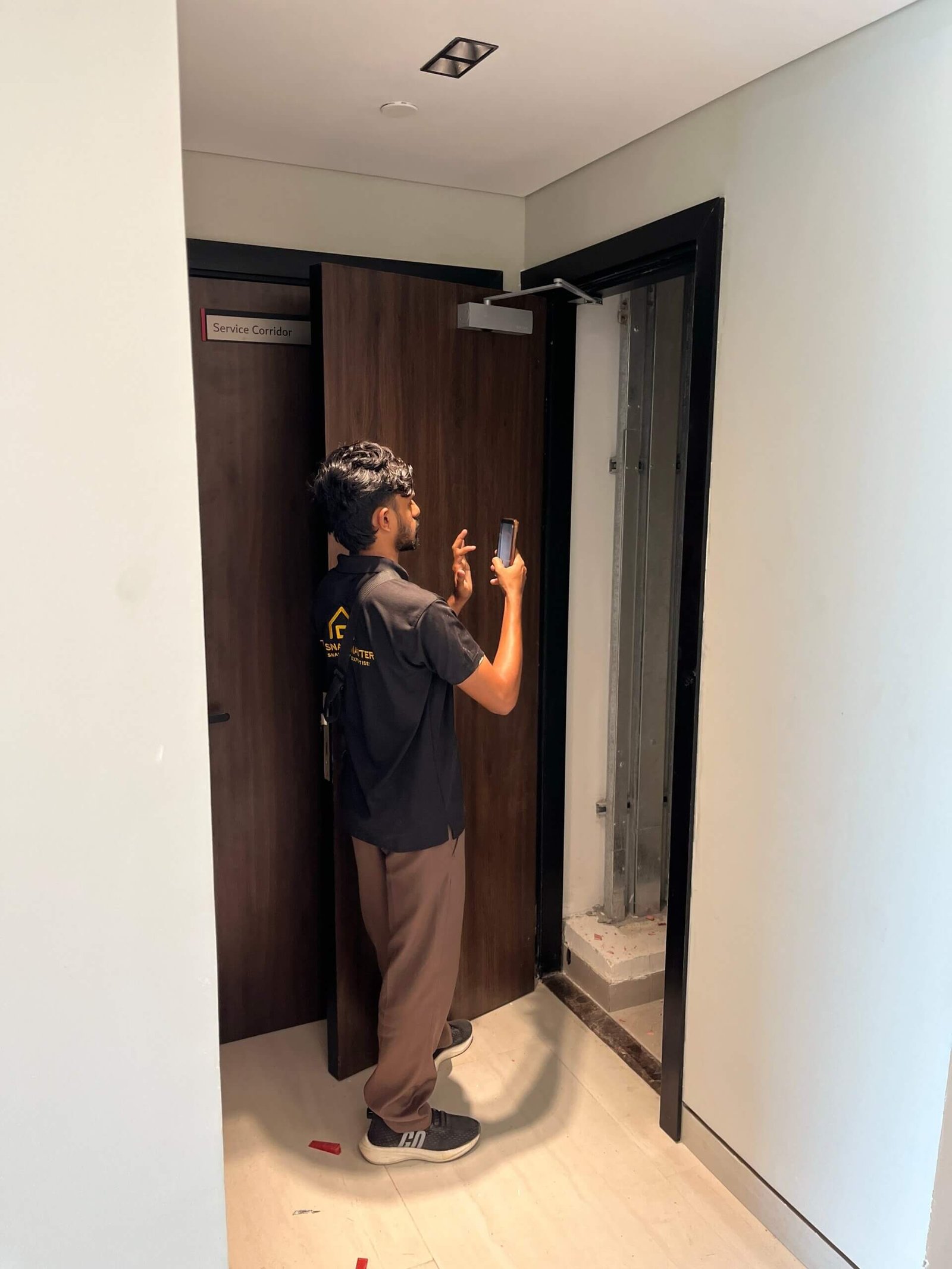
Client project: Society House by IGO, 58 floors, 416 units, Downtown Dubai
A developer preparing to hand over Society House by IGO - a 58-storey, 416-unit tower in Downtown Dubai - engaged The Snag Master for a full building inspection covering every home and every shared space before sign-off. At 814,050 square feet, the property needed more than a spot-check: it needed one consistent standard held from the podium to the top floor.
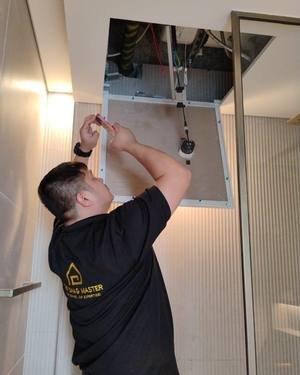
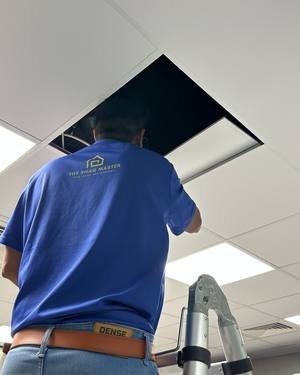
Our engineers inspected the tower floor by floor and system by system - apartment finishes, fittings and wet areas across all 416 units, alongside the corridors, lobbies, service rooms and risers that residents share every day. MEP systems and shaft access points were checked throughout, including areas most owners will never open a door to.
The inspection was carried out in two stages: snagging, to document every defect before handover, and de-snagging, a return visit to verify each item was properly rectified rather than simply marked as done. Work was delivered by civil engineers in line with RERA certification, DED licensing and RICS methodology.
This is the value of engineer-led inspection at building scale. One apartment tells you about finishing. Fifty-eight floors tell you about process - and it's the second visit, the verification, where that process actually proves itse
Building Inspection FAQs
1. What’s the difference between a building inspection and a snagging inspection?
Snagging inspects a single unit – an apartment or villa – for defects before handover to that unit’s owner. A building inspection assesses the property at the building level: structure, facade, common areas, shared MEP systems, and life-safety compliance, commissioned by owners’ associations, facility managers, or building owners rather than individual unit buyers.
2. Who orders a building inspection – an individual owner or the building management?
Building inspections are typically commissioned by owners’ associations (OAs), facility management companies, developers, or investors who hold responsibility for the building as a whole, rather than a single unit. Individual owners generally need a residential or snagging inspection for their own unit instead.
3. Does a building inspection cover the whole structure or just common areas?
It covers both. The survey includes the structural shell and facade, plus shared areas – lobbies, corridors, parking, rooftop, and shared plant rooms – along with building-wide MEP and fire and life-safety systems. It does not typically include the interior condition of individually owned units unless specifically requested.
4. What structural elements are checked during a building inspection?
Inspectors assess the building’s structural integrity (columns, slabs, load-bearing walls), facade condition (cracking, water ingress, cladding attachment), waterproofing at roof and podium levels, and any visible settlement or movement – the elements that affect the building’s long-term safety and maintenance liability, not just cosmetic wear.
5. Can a building inspection report be used for insurance or facility management purposes?
Yes. A documented, photographic building condition report is commonly used by facility managers to plan maintenance budgets, by owners’ associations to support service-charge decisions, and as supporting evidence for insurance assessments or claims related to structural or water-ingress damage.
6. What does the fire and life-safety check in a building inspection actually assess?
It covers building-wide systems: fire alarm and detection coverage, sprinkler and suppression systems, fire-rated door and compartmentation integrity, emergency lighting, signage, and escape route accessibility – checked against the building’s compliance obligations rather than a single unit’s fire safety equipment.
Ready to Inspect Your Property?